Why an open API matters on program work
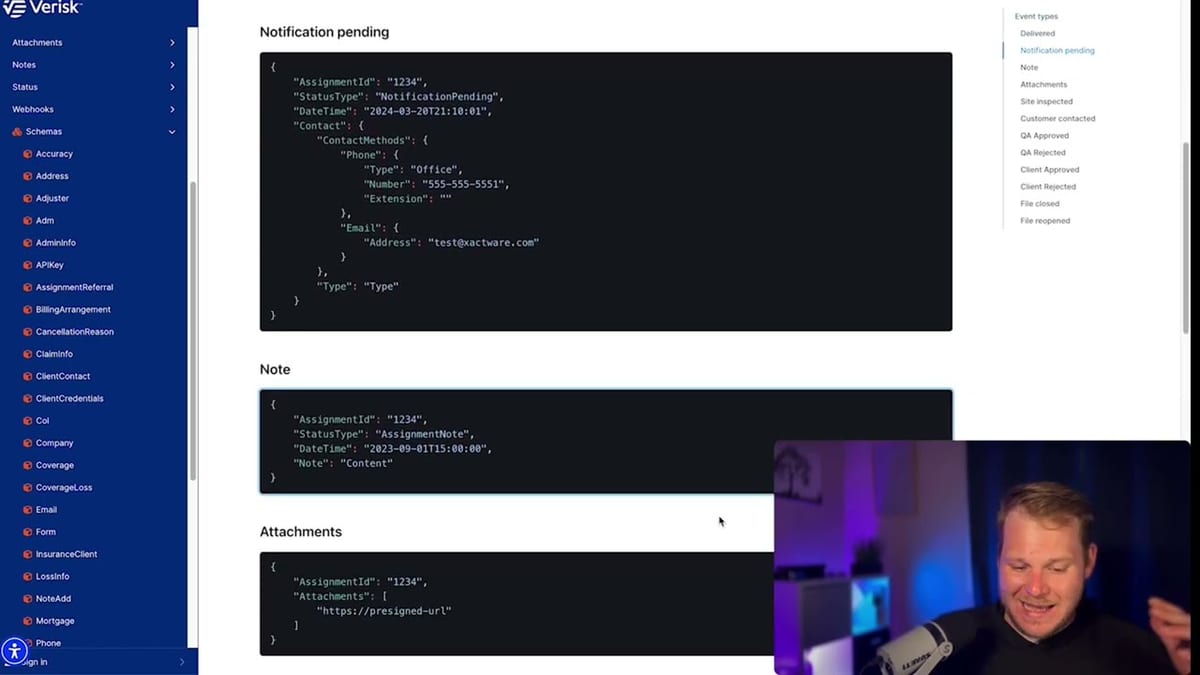
For the first time, Verisk released an API to XactAnalysis. An API is just the way one computer talks to another, and an open one means software can be built on top of the system your TPA work already runs through. The video's warning is that carriers and TPAs are building on it right now, so the move is to beat them to the punch.
Everything that follows targets the same outcome: driving down your SLAs so your grades climb, because grades are what the program uses to decide who gets assignments.
First contact and notes, without a human in the loop
The first integration point is the date-delivered status. Programs typically give you about 30 minutes to contact the client after assignment. With a simple Zapier integration watching that status, the client's email address can trigger an automatic message the moment the job lands, telling them someone will be in touch or is on the way. The first SLA on every file is handled with zero manual involvement.
The second is notes. If your team is bad at keeping the TPA informed, connect the OpenAI API — the same pattern behind the estimating chores you should never do by hand: a technician writes a sentence or two, the model expands it into a rich description of what is happening on the job, and it posts back to the program. The TPA sees a vendor who over-communicates. Your team spent thirty seconds.
The TPA sees a vendor who over-communicates. Your team spent thirty seconds.
Work schedules from the approved estimate
The integration the video calls the game changer is work schedules. Building them by hand, paint two weeks, drywall two weeks, eats hours. Once a file hits approved status and the estimate PDF exists, the same OpenAI API can read it and generate the schedule automatically, prompted to be generous with durations because things happen on real jobs.
Schedules go back to the TPA without anyone building them line by line. The speaker's own estimate is that this alone would have saved him hours.
Close the loop on payment
The last integration point is file-closed status. Reverse the first automation: when the file closes, send the TPA a gentle reminder that you have to be paid for the work you do, or you cannot keep doing work. It is polite, automatic, and it lands on every single file.
The sequence matters. You spent the whole claim driving SLAs down and grades up, so by the time the payment reminder arrives you are one of their best vendors — the kind that gets offered estimate assists. The video's bet is that standing translates into being paid on time and fairly, and the API keeps the reminder from ever being forgotten.