Start in the code, not the content calendar
The first place the video looks on any restoration website is schema markup, and it is almost never there. Schema is a block of structured code that tells Google, in a language it reads directly, who you are, what you do, and where you do it. Most sites built for restoration companies ship without it.
Adding it is one of the simplest technical changes available, and the video calls the impact on lead consistency immediate. If your site was built by a vendor, ask them to show you the markup. If they cannot, you have found the first problem.
The map is where Google is pushing you anyway
By the video's math, about 55 percent of jobs in this industry come from position on the map. And the trend line matters: as pay-per-click gets more expensive and less qualified, Google is steering contractors toward Local Services Ads, Google Guaranteed, and organic map placement. Fighting for a channel that is being phased down is a bad plan.
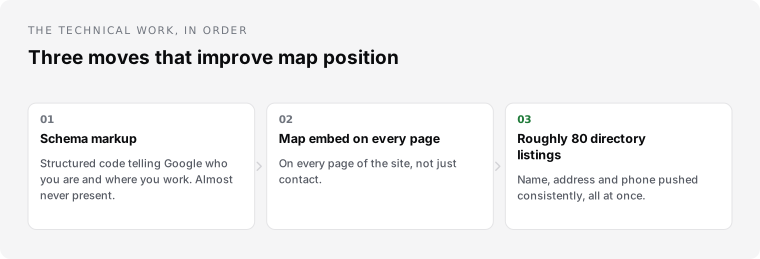
Three moves improve position. Embed your map on every page of your site. Respond to every review and incentivize your technicians to bring reviews in, because total engagement is the strongest ranking indicator the video names. And push your name, address, and phone number into local directories; the video describes pushing roughly 80 listings at once. Those three together produce a quick jump in call volume.
Know what you are actually paying for
The video's warning about the agency market is blunt: much of what gets sold to restoration companies is a white-labeled copy of Go High Level, software you can buy yourself for around $300 a month, resold at a heavy markup. The software is fine. The markup and the surface-level work are the problem.
Dashboards and scheduled posts attack symptoms. Technical changes, schema, site structure, citations, review systems, are what move rankings and keep them moved. The video's larger point is that owners should understand this mechanic themselves, because an industry that cannot evaluate the work will keep overpaying for repackaged tools.
The software is fine. The markup and the surface-level work are the problem.