The call every restorer recognizes
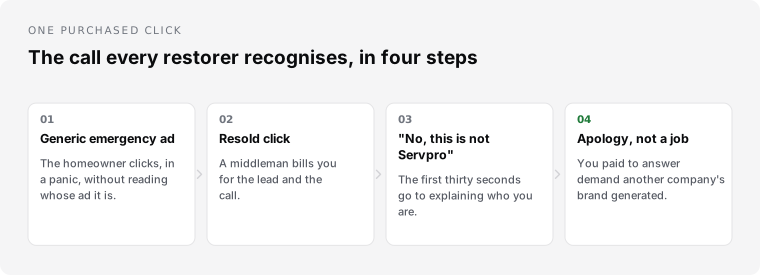
The video is a sketch, and it only needs one scene: a homeowner calls in, the tech answers, and the first thing he has to say is "no, this is not Servpro, but we do the same thing." The caller clicked an ad, does not know whose ad it was, and does not know who they reached. The call ends with an apology instead of a job.
If your phone plays that scene weekly, you are not getting leads. You are getting confused clicks that another company's brand recognition generated and a middleman resold.
Why paid clicks arrive pre-confused
Third-party pay-per-click leads come from generic emergency ads, and a homeowner in a panic assumes the biggest name in the category is on the other end. You pay for the click, you pay for the call, and then you spend the first thirty seconds explaining who you are, the same math that makes purchased leads the most expensive channel. The video's description says it plainly: these are bad leads, and the frustration with them is the whole reason the sketch exists.
The cost is not just the lead fee. It is answering demand that was never yours, at conversion rates that reflect the confusion.
Own the demand instead of renting it
The sketch says as much in its second scene: a coworker watches the call fall apart and asks why anyone is still doing PPC at all, as if it were three years ago. The alternative the video points toward is fixing how jobs come in at the source, so the person calling actually chose your company. When a homeowner finds you on the map, reads your reviews, and dials your listing, the first thirty seconds of the call are about their basement, not your identity.
That is the difference between a lead channel you own and one you rent. Rented demand arrives asking for someone else.
Rented demand arrives asking for someone else.