What the model is genuinely good at
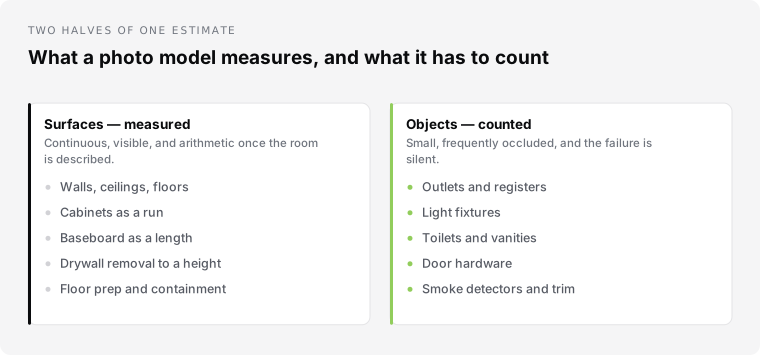
Photo-based estimating is strong at surfaces. Walls, ceilings, floors, cabinets as a run, baseboard as a length — anything continuous that a camera can see the extent of and a formula can turn into square feet. Give a model good coverage of a room and it will name the affected surfaces and get the area math close, because area math is the part of an estimate that is arithmetic once the room is described.
That is not a small share of the file. Most of a mitigation scope is surface work: remove and dispose of affected drywall to a height, detach and reset the base, floor prep, containment, the drying equipment those surfaces justify. If your review starts by checking whether the model found the wet walls, you are checking the part it is least likely to have missed.
Where it goes quiet: the objects in the room
The other half of a real estimate is objects, and objects behave completely differently in a photograph. An outlet, a register, a light fixture, a toilet, a vanity, door hardware, a smoke detector, a piece of trim — these are counted, not measured. They are small, they are frequently occluded by the very equipment you set, and one white rectangular thing on a wall looks a great deal like another white rectangular thing on a wall.
A very large portion of the Xactimate catalog is unit-count items rather than area items, and that is the part where recall drops. Worse, the failure is silent. A model that misses a surface produces an estimate that looks obviously short. A model that misses eleven outlets and two registers produces an estimate that looks completely reasonable and is quietly light. Nothing on the screen flags it.
A missed surface looks wrong. A missed object looks fine.
The parts of the estimate no image can contain
Then there is the category of information that is not in the photograph at all and never will be. Whether a vanity is being removed or detached and reset. Whether the customer already replaced the flooring. Whether this line belongs on the mitigation invoice or the rebuild one — two different contracts, frequently two different payers. What the price list is for that area code, and what the tax jurisdiction is.
None of that is perception. It is negotiation, policy, and shop practice. A tool that claims to have solved it from photos is either guessing or has quietly inserted a human somewhere you were not told about. The honest version is that the software proposes the scope and a person supplies the intent.
How to use the split
Read the output in two passes, because the two failure modes are different. First pass, structure: is every affected room here, is every affected surface here, do the dimensions match what the tech measured. That pass usually confirms rather than corrects. Second pass, count: walk the room in the photos and count the things — outlets, registers, fixtures, doors, cabinets — against what the line items say. That is where you will find the misses, every time. When you catch one and cannot remember what Xactimate calls it, describe the work instead of hunting for the keyword — the lookup is the slow part of adding a line you already know belongs there.
One more thing, and it matters more than people expect: do not grade any of this in dollars. Xactimate reprices the file on import against your price list, so the same scope can swing thirty percent across two area codes without a single line item changing. The scope is the deliverable. The dollar figure is downstream of a price list you chose, not evidence about the software.